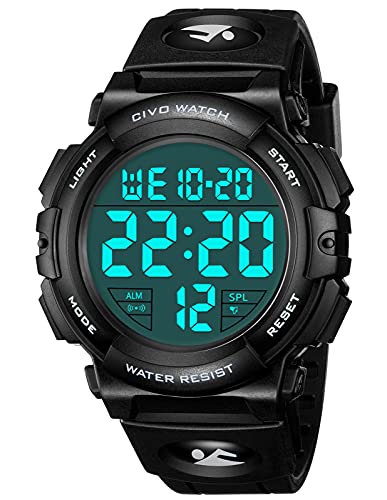
beginners guide to understanding dive watch specifications
Dive watches are not just accessories; they are essential tools for divers and enthusiasts alike. If you are new to the world of dive watches, understanding the specifications can be daunting. This guide will help you navigate the key features you need to consider when selecting a dive watch.
Water Resistance
One of the most crucial specifications for any dive watch is its water resistance. This is typically measured in metres, indicating how deep the watch can be submerged. For instance, a watch rated to 200 metres is suitable for recreational diving. However, remember that the water resistance rating is not a guarantee. It is always advisable to check the watch’s condition regularly, as seals can wear over time.
ISO Certification
Look for watches that meet ISO 6425 standards. This certification ensures the watch has been tested for underwater use. A watch that is ISO certified will typically have features such as a unidirectional bezel, luminous hands and markers, and a robust construction to withstand the underwater environment.
Bezel Functionality
The bezel of a dive watch is more than just a design element; it is a critical tool for divers. A unidirectional rotating bezel allows divers to keep track of elapsed time underwater. It is important that the bezel only moves in one direction to prevent accidental adjustments. Pay attention to how easily the bezel turns and whether it has markers that are easy to read.
People Also Look For:
- 100M Waterproof Digital Swimming Watch with Alarm Stopwatch Support Dual Time Zone Display Countdown Timer 12/24 Hour Format
- NORTH EDGE Solar Powered Dive Watch for Men Women, Quartz Movement with Rechargeable ML2016 Battery, 300m Water Resistant, Unidire...
- Citizen Automatic Men's Promaster Diver Watch NY0040-09W
- NORTH EDGE Solar Powered Dive Watch for Men Women, Quartz Movement with Rechargeable ML2016 Battery, 300m Water Resistant, Unidire...
- VDSOW Mens Sports Digital Watches - Outdoor Waterproof Sport Watch with Alarm/Timer, Big Face Military Wrist Watches with LED Back...
Movement Type
Dive watches can feature either quartz or mechanical movements. Quartz movements are known for their accuracy and require less maintenance, while mechanical movements are favoured by enthusiasts for their craftsmanship. When choosing between the two, consider how often you will use the watch and whether you are comfortable with regular maintenance.
Material Considerations
Most dive watches are made from stainless steel, titanium, or plastic. Stainless steel is durable and resistant to corrosion, making it a popular choice. Titanium is lighter and equally resistant to corrosion, but often comes at a higher price point. Plastic dive watches are generally more affordable but may not hold up as well under extreme conditions. Choose a material that suits your diving style and budget.
Dial Visibility
Visibility is essential for a dive watch. Look for models with high contrast between the dial and hands for easy reading underwater. Luminous markers are a must-have, as they allow you to see the time in low-light conditions. Some watches feature luminescent coatings that charge in daylight and glow in darkness, providing added safety during your dive.
Strap or Bracelet Options
The strap or bracelet of a dive watch should be robust and comfortable. Rubber and silicone straps are often favoured for their durability and water resistance, while metal bracelets offer a classic look and added strength. Ensure that the strap is adjustable to fit over a wetsuit if you plan on diving with it.
Size and Weight
When selecting a dive watch, consider both size and weight. A watch that is too heavy can be cumbersome during a dive, while a watch that is too small may not be easily visible. Find a balance that feels comfortable on your wrist but also meets your aesthetic preferences.
Price Range
Dive watches come in a wide range of prices, from affordable to luxury. Determine your budget before beginning your search and remember that higher prices often reflect better materials and craftsmanship. However, there are plenty of high-quality options available at more accessible price points, especially for beginners.